Imagine this - you’ve spent years building your brand, gaining trust, and crafting an online presence that speaks for your business. Then one morning, your website shows a strange message:
“This site may be unsafe.”
Your customers stop visiting. Your emails bounce. Your online credibility vanishes overnight.
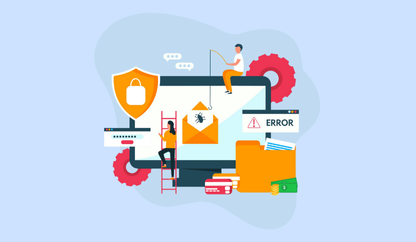
This isn’t an uncommon story - it’s what happens when websites are left unattended and outdated. Cybersecurity threats today don’t always come with a warning; they slip through unnoticed gaps, outdated plugins, and forgotten patches.
But here’s the truth: a simple habit of regular website updates can prevent 90% of these threats.
Cybersecurity experts estimate that over 60% of hacked websites were running outdated software or plugins. These outdated components create invisible cracks in your website’s armour, allowing hackers to exploit vulnerabilities without even targeting you specifically.
When updates are ignored:
A single compromised website can lead to stolen user data, blacklisting from Google, or permanent brand damage - none of which any business can afford.
Cybercriminals don’t discriminate based on company size. Their goal is straightforward: to identify weaknesses and capitalise on them.
Most use automated bots that continuously scan the internet for vulnerable sites.
Your website could become a target if:
Even a small business website can be valuable to hackers, who may use it to spread malware, steal user data, or hijack your SEO traffic.
Regular updates are not just about fixing bugs; they reinforce every layer of your digital infrastructure.
Every update includes security patches that close loopholes discovered by developers or ethical hackers. Skipping these leaves you open to known vulnerabilities.
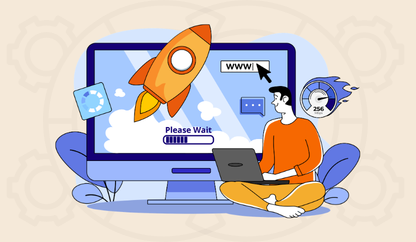
Updates optimise website speed, ensuring smoother navigation, faster load times, and better user experience - all of which impact SEO ranking.
Browsers, devices, and coding standards continue to evolve. Regular updates ensure your website remains compatible with the latest web technologies.
Google prioritises secure and user-friendly websites. An outdated or compromised site risks lower visibility and reduced organic traffic.
A secure, fast, and responsive website tells users, “We value your safety and experience.” That builds long-term trust and brand loyalty
Google’s E-E-A-T (Experience, Expertise, Authoritativeness, and Trustworthiness) framework is designed to identify credible websites. Regular maintenance supports each element:
In essence, maintaining your website regularly is a direct investment in SEO and brand authority.
Even without technical expertise, these basic habits can safeguard your website:
Better yet, consider a professional website maintenance plan that automates all these processes and includes real-time monitoring.
| Update Type | Recommended Frequency |
|---|---|
| CMS Core (WordPress, Joomla, etc.) | Every 2-4 weeks |
| Plugins & Themes | Weekly |
| Security Patches | As released |
| Backups | Daily/Weekly |
| Content Updates | Monthly |
Consistency matters more than intensity. Even small updates done regularly can prevent major problems later.
A mid-sized retail brand once contacted us after their website was blacklisted by Google due to malware. The cause? A two-year-old plugin that hadn’t been updated. Within 72 hours, they lost their online sales entirely.
After recovery and enrolling in our Website Maintenance Services, they saw not only enhanced security but also a 20% boost in page speed and improved SEO rankings.
Their biggest takeaway? Prevention costs a fraction of repair.
Your website is your digital heartbeat - and just like your health, it needs regular check-ups. Every update, every patch, and every backup contributes to your site’s overall well-being. In an age where cyber threats evolve daily, neglecting updates is like leaving your door unlocked in a high-crime neighbourhood. So before you postpone that next update, remember - your brand’s reputation, trust, and future depend on it.
Updates fix vulnerabilities and protect your website from malware, hackers, and data breaches. Each update strengthens your digital defence.
Ideally, check for updates weekly and perform major CMS updates every 2–4 weeks.
Yes. Google prioritises secure, well-performing websites. Outdated sites risk ranking drops and trust warnings.
Basic updates can be manual, but professional maintenance ensures no compatibility issues or downtime.
Typically: regular backups, security monitoring, plugin and CMS updates, SSL management, uptime monitoring, and performance optimisation.
Look for outdated plugins, missing SSL certificates, or security warnings. Tools like Google Search Console can help identify issues.
🛡️ Don’t wait for a security scare to act.
Protect your brand today with proactive website maintenance.
👉 Visit www.aaravinfotech.com
📞 Call us: +91 8008100192
💬 Talk to our experts about a custom website care plan that keeps your site safe, fast, and worry-free.
Jitendra Raulo is the Founding Director at Aarav Infotech India Pvt. Ltd., a leading Web Design and Digital Marketing Company with 11+ years of experience and having headquarter in Mumbai, India, and Support Centre at Bhubaneswar, India, he is actively working with Start-ups, SMEs and Corporations utilizing technology to provide business transformation solution.
All author postsLearn practical ways to improve your local visibility and rank higher in Google Map Pack for more ca...
A slow website can silently drive visitors away before they convert. Page speed affects user experie...
Learn how to optimise your content for Google Search Generative Experience (SGE) by improving topica...
AI is transforming SEO in 2026 by shifting focus from keyword rankings to intent, authority, and AI-...
Your digital foundation, fortified by our guardians.
 +91 8008100192
 +1 (855) 650-4040