Cybercriminals no longer hack manually. They automate.
Today’s attackers deploy AI-powered phishing engines, automated exploit kits, and bots that test thousands of digital doors at once. It is no longer a matter of if someone targets your systems, but how fast their automation can probe for weaknesses. According to the IBM Cost of a Data Breach Report, the global average cost of a data breach has reached $4.45 million. At the same time, Gartner predicts that AI will significantly augment Security Operations Centres, reshaping how threats are detected and managed.
This is the new cybersecurity arms race. Automation empowers attackers to scale, adapt, and bypass traditional defences. But the same technology can work in your favour.
AI-powered VA&PT (Vulnerability Assessment & Penetration Testing) combines automated vulnerability assessment with expert-led penetration testing to detect, validate, and eliminate risks before they escalate. Instead of relying solely on AI-based vulnerability scanning tools or manual testing alone, modern AI-driven cybersecurity blends machine learning in cybersecurity with human expertise to identify zero-day vulnerabilities and simulate real-world attack paths.
If your security strategy still depends on periodic scans and reactive patching, it is already behind. To understand why, you need to see how attackers are using automation against you right now.
Can traditional security really survive AI-powered attacks?
Attackers no longer rely on manual probing. They use AI-driven cybersecurity tactics that scale instantly, adapt in real time, and learn from every failed attempt. Think of it as bots testing thousands of digital doors at once. If one opens, they move in within seconds.
AI-Generated Phishing at Scale
Cybercriminals now misuse tools similar to OpenAI’s ChatGPT to craft highly personalised phishing emails. These messages mirror your brand tone, reference real suppliers, and bypass basic spam filters. What once took days of social engineering now happens in minutes. Many organisations report phishing click rates exceeding 20 per cent when emails are AI-tailored to specific employees.
Automated Vulnerability Scanning Bots
Attackers deploy AI-based vulnerability scanning tools to sweep exposed APIs, cloud instances, and SaaS platforms continuously. These bots exploit misconfigurations within hours of exposure. In several ransomware investigations, initial access occurred in less than 24 hours after a new vulnerability became public.
Deepfake-Enabled Social Engineering
AI-generated voice and video impersonations allow attackers to mimic CEOs or finance heads. A single convincing deepfake call can trigger fraudulent transfers or credential sharing. The scale and realism make manual verification processes unreliable.
Ransomware Automation
Modern ransomware groups automate reconnaissance, lateral movement, and data exfiltration. According to industry reports, ransomware incidents have surged as automation reduces attacker effort while increasing operational speed.
If your security checks rely only on periodic scans or static tools, you are fighting automation with outdated methods. That imbalance is exactly what AI-powered VA&PT is designed to correct.
Can your finance team confidently detect a fake CEO call if the voice sounds identical?
Attackers now use machine learning in cybersecurity for offence, generating convincing phishing emails and deepfake voice messages that replicate leadership tone, urgency, and even regional accents. A growing number of deepfake voice fraud cases show how criminals impersonate executives to authorise fund transfers within minutes. In several Business Email Compromise incidents, automation helped attackers personalise thousands of emails simultaneously, increasing phishing click-through rates well beyond traditional bulk spam campaigns.
Imagine this scenario. Your accounts team receives an urgent multilingual email from what appears to be your CFO, referencing a real vendor contract. Minutes later, a follow-up voice call confirms the request. The transfer goes through. Only later do you realise both the email and voice were AI-generated.
This is not random spam. It is automated ethical hacking in reverse - precise, targeted, and scalable. Financial loss, regulatory scrutiny, and reputational damage follow quickly. Without AI-powered VA&PT and structured AI cyber attack prevention strategies, traditional manual checks simply cannot keep pace with this level of automation.
How long would it take a human tester to manually probe every line of your application code? Weeks, sometimes months. An AI system does it in hours.
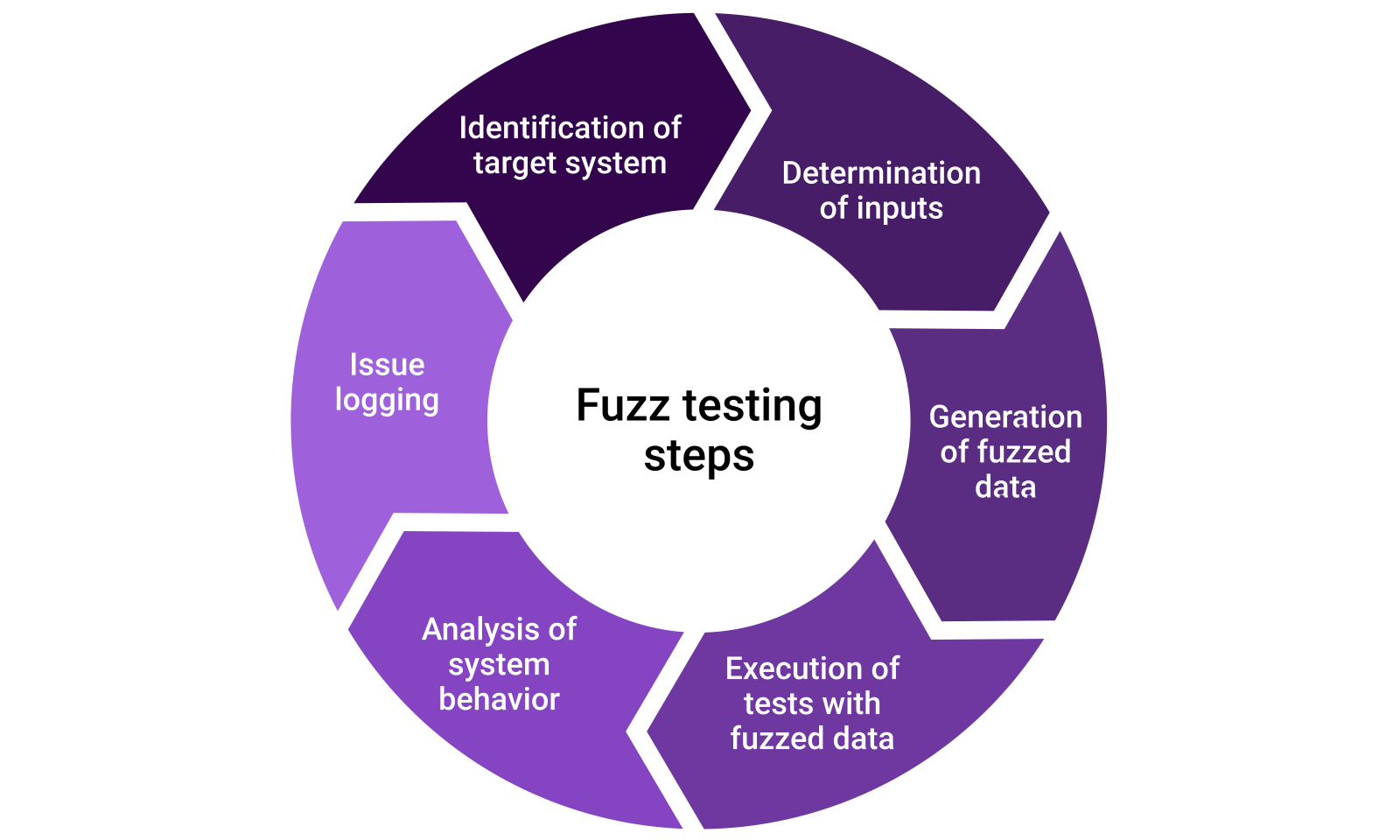
Attackers now use AI-driven fuzzing tools that automatically feed unexpected inputs into applications to uncover hidden flaws. When one weakness appears, automated vulnerability chaining connects it with another misconfiguration to create a full attack path. This is how zero-day vulnerability detection works on the offensive side. Instead of waiting for public disclosures, attackers discover and exploit gaps before vendors release patches.
In practical terms, manual exploit discovery relies on individual skill and time. AI-powered exploitation scales instantly. A simple comparison makes the difference clear:
Manual discovery: Limited scope, slower testing cycles, isolated findings.
AI-powered exploitation: Continuous scanning, automated chaining, reduced time-to-exploit from weeks to sometimes under 24 hours.
For your business, that speed changes everything. Traditional quarterly assessments cannot keep up with automated exploit discovery. You need an AI-powered VA&PT that mirrors attacker techniques while combining automated vulnerability assessment with expert validation. Proactive, risk-based penetration testing is no longer optional. It is your strongest defence against threats that move faster than human reaction time.
If attackers use automation to scale their efforts, your defence must scale faster.
Modern AI-powered VA&PT does not replace ethical hackers. It strengthens them. AI in penetration testing acts as a force multiplier, processing massive datasets, identifying abnormal behaviour patterns, and prioritising high-risk vulnerabilities while certified security experts validate and exploit findings safely to assess real impact.
AI-powered vulnerability scanners now perform automated vulnerability assessment across cloud environments, APIs, applications, and endpoints in near real time. Behavioural anomaly detection systems monitor how users and systems normally operate, then flag subtle deviations that may indicate early-stage compromise. Instead of waiting for a breach alert, you detect suspicious activity at the reconnaissance phase.
The real shift is from annual testing to continuous penetration testing models. AI-driven cybersecurity enables ongoing risk-based penetration testing aligned with how your infrastructure evolves.
With Aarav Infotech’s VA&PT services in India, you benefit from:
Continuous scanning combined with expert-led manual validation
Faster zero-day vulnerability detection through machine learning in cybersecurity
Reduced false positives compared to standalone AI-based vulnerability scanning tools
Dedicated security teams working in agile remediation cycles
24/7 guidance for threat response and compliance alignment
In one FinTech engagement, this approach reduced critical vulnerabilities by 82 per cent within 60 days and improved incident response time by 47 per cent.
Automation gives you speed. Human expertise gives you precision. When combined correctly, AI-driven cybersecurity becomes proactive protection rather than reactive cleanup.
If your organisation conducts VA&PT once a year, what happens in the other 364 days?
Traditional annual assessments provide a snapshot. They identify vulnerabilities at a specific point in time, generate a report, and often leave remediation to internal teams already stretched thin. Meanwhile, your infrastructure changes weekly through new features, integrations, and cloud updates. That gap creates exposure.
Continuous AI-powered VA&PT replaces static testing with ongoing automated vulnerability assessment supported by expert validation. You gain real-time visibility through dashboards that track risk scores, remediation progress, and zero-day vulnerability detection as your systems evolve.
Comparison Overview
| Traditional Annual VA&PT | Continuous AI-Powered VA&PT |
|---|---|
| Point-in-time testing | Ongoing automated scanning |
| Delayed remediation cycles | Agile, iterative remediation |
| Limited visibility between audits | Live risk dashboards |
| Higher long-term breach risk | Proactive AI cyber attack prevention |
In practice, continuous penetration testing models reduce incident response costs and improve compliance readiness. Instead of reacting to findings once a year, you address risks as they appear. That shift is not just stronger security. It is a smarter ROI, especially when backed by experienced security teams who validate automation with precision.
When you invest in AI-powered VA&PT, you are not just improving security. You are protecting revenue, brand equity, and operational continuity.
AI-driven cybersecurity transforms vulnerability management from a compliance checkbox into a measurable business advantage. Here is what that means for you:
Reduced Mean Time to Detect (MTTD): Continuous automated vulnerability assessment and behavioural monitoring identify threats early, often before exploitation occurs.
Faster remediation cycles: Agile testing and validation reduce the time between detection and patching, closing gaps before attackers weaponise them.
Stronger compliance posture: Ongoing risk-based penetration testing supports ISO 27001, PCI-DSS, SOC 2, and RBI audit readiness with documented evidence.
Lower breach-related costs: Preventing a single ransomware incident can save millions in downtime, legal exposure, and reputational damage.
Improved resilience across digital assets: Whether you run Custom Software Development projects, Web Application Development platforms, or rely on Managed IT Services, AI in penetration testing continuously protects evolving environments.
Consider a growing SME in the SaaS sector. During routine AI-powered VA&PT, automated ethical hacking simulations identified a zero-day vulnerability detection gap in an API integration. The issue was patched within days. Weeks later, a public exploit surfaced targeting the same flaw. The company avoided service disruption and potential customer churn.
That is the real ROI. Cybersecurity automation does not just defend systems. It safeguards growth, trust, and long-term business value.
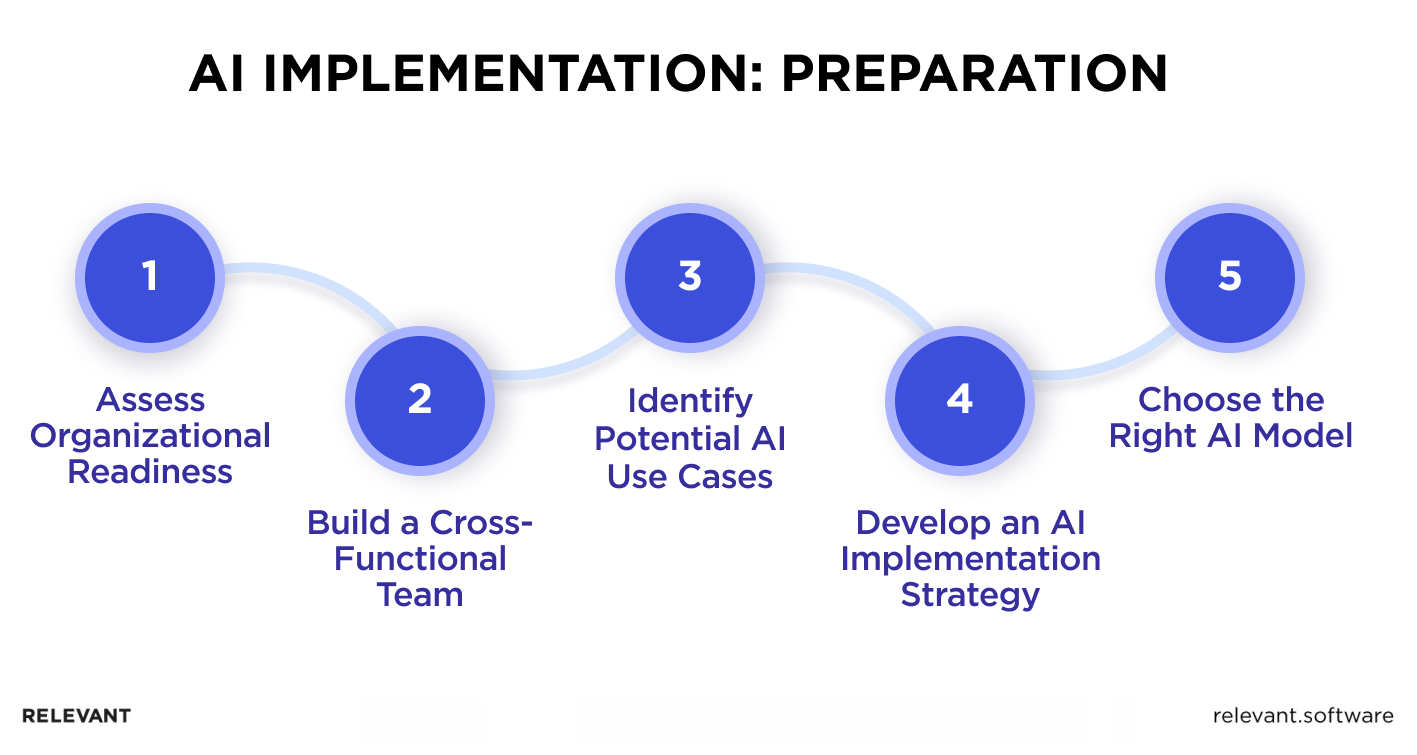
Adopting AI-powered VA&PT does not require a disruptive overhaul. With the right partner, you can transition in structured phases and see measurable improvements within weeks, not years. A typical rollout takes 4 to 8 weeks, depending on infrastructure complexity.
Here is a practical roadmap you can follow:
1. Risk Assessment & Scope Definition
Begin with a focused assessment of applications, APIs, cloud workloads, and endpoints. Identify high-risk assets aligned with compliance obligations such as ISO, SOC 2, HIPAA, or RBI. This ensures your automated vulnerability assessment starts where business impact is highest.
2. Automation Deployment
Integrate AI-based vulnerability scanning tools and behavioural monitoring into your environment. This phase requires minimal operational disruption when executed correctly. Infrastructure prerequisites typically include secure API access, asset inventory visibility, and logging configuration.
3. Expert-Led Penetration Testing
AI in penetration testing augments, not replaces, certified ethical hackers. Security specialists validate findings, simulate automated ethical hacking scenarios, and perform risk-based penetration testing to eliminate false positives.
4. Reporting & Remediation Planning
You receive prioritised reports mapped to business risk, not just technical severity. Agile remediation cycles ensure faster patching without overwhelming internal teams.
5. Continuous Monitoring & Optimisation
AI-driven cybersecurity shifts from one-time audits to ongoing protection, strengthening zero-day vulnerability detection and compliance readiness.
Concerns about cost, technical complexity, or operational downtime are common. However, when structured properly, cybersecurity automation reduces long-term breach expenses and audit friction.
With 15+ years of enterprise cybersecurity experience, Aarav Infotech acts as a strategic partner, guiding you through assessment, deployment, validation, and continuous improvement. The result is not just stronger security. It is sustained resilience aligned with your business growth.
AI-powered VA&PT combines automated vulnerability assessment with expert-led penetration testing to detect, validate, and prioritise security risks continuously. Traditional VA&PT is typically conducted once or twice a year, providing a snapshot of your security posture. AI-driven cybersecurity introduces continuous scanning, behavioural anomaly detection, and machine learning in cybersecurity to identify emerging threats in real time.
The key difference lies in speed and precision. Automation identifies patterns across thousands of assets instantly, while certified ethical hackers validate findings to eliminate false positives. This hybrid model strengthens zero-day vulnerability detection and reduces exposure windows. For organisations scaling digital platforms, this approach offers proactive protection rather than reactive remediation.
No. AI in penetration testing is an augmentation tool, not a replacement. AI-based vulnerability scanning tools process vast datasets, detect anomalies, and flag suspicious patterns faster than manual analysis. However, only experienced security professionals can simulate real-world exploitation, assess business impact, and recommend risk-based remediation strategies.
Aarav Infotech’s model assigns dedicated security teams to each engagement, combining cybersecurity automation with human expertise. This ensures accurate prioritization, reduced false positives, and actionable reporting aligned with your operational realities.
While initial costs may appear comparable or slightly higher than annual assessments, AI-powered VA&PT delivers stronger long-term ROI. Traditional testing often leads to delayed remediation, repeat vulnerabilities, and higher breach risks. Considering the average global breach cost exceeds $4 million, proactive detection significantly reduces financial exposure.
Continuous automated vulnerability assessment lowers incident response costs, minimizes downtime, and reduces audit penalties. Transparent pricing models with defined scope ensure you understand exactly what you are investing in. Over time, the reduction in breach risk and compliance friction outweighs incremental costs.
Most organizations observe measurable improvement within 60 to 90 days. For example, a mid-sized FinTech company reduced critical vulnerabilities by 82 percent within 60 days and improved incident response time by 47 percent after implementing AI-powered VA&PT.
ROI typically manifests through reduced Mean Time to Detect, faster remediation cycles, and improved audit readiness. The earlier vulnerabilities are addressed, the lower the financial and reputational impact. Continuous penetration testing models also prevent recurring issues, compounding long-term value.
Implementation generally requires asset inventory visibility, API access for applications, cloud configuration access, and centralized logging. Most modern cloud and hybrid infrastructures already meet these prerequisites.
Deployment typically takes 4 to 8 weeks, depending on complexity. With structured onboarding and agile execution, operational disruption remains minimal. Aarav Infotech guides you through infrastructure mapping, automation integration, and expert validation phases to ensure seamless adoption.
AI-driven cybersecurity frameworks are designed with data confidentiality in mind. Testing environments are controlled, findings are encrypted, and access is restricted to authorized personnel.
From a compliance standpoint, continuous risk-based penetration testing supports ISO 27001, SOC 2, HIPAA, PCI-DSS, and RBI guidelines by providing documented evidence of ongoing security monitoring. Instead of preparing for audits reactively, you maintain audit readiness year-round.
Yes. Automated vulnerability assessment tools integrate across cloud platforms, SaaS applications, APIs, and traditional on-premise infrastructure.
Hybrid environments often present the highest risk due to configuration drift and integration complexity. AI-based scanning combined with expert-led manual testing ensures consistent security coverage across all assets. Whether you operate in AWS, Azure, private cloud, or local data centers, AI-driven cybersecurity adapts to your architecture.
Modern enterprise cybersecurity solutions integrate directly into DevOps workflows. Automated ethical hacking simulations and vulnerability scans can trigger during build or deployment phases, identifying issues before production release.
This “shift-left” approach reduces costly rework and accelerates secure product development. When integrated effectively, developers receive actionable insights in real time, shortening remediation cycles and improving release confidence.
Security is not a one-time engagement. Continuous monitoring, periodic expert validation, remediation guidance, and compliance reporting are part of a mature AI-powered VA&PT framework.
With 24/7 advisory support and SLA-backed response commitments, you gain access to experienced professionals who assist in threat response, patch prioritization, and strategic planning. This ensures long-term resilience rather than isolated testing cycles.
If your organization relies on cloud services, APIs, digital payment systems, customer data platforms, or AI-enabled applications, your attack surface is expanding. Automated exploit discovery and AI-powered phishing campaigns are increasing across industries, from FinTech to healthcare and SaaS.
If you cannot detect zero-day vulnerabilities in real time, if compliance audits create operational stress, or if your internal team struggles to manage evolving threats, AI-powered VA&PT becomes a strategic necessity.
Modern threats move faster than manual defense. Partnering with an experienced cybersecurity provider ensures you respond with equal speed, precision, and accountability.
AI-driven attacks are no longer experimental. They are operational, automated, and scaling rapidly across industries. From AI-generated phishing to automated exploit discovery, cybercriminals now move at machine speed. If your defences remain manual or periodic, the gap between attack and detection continues to widen.
The organisations that thrive in this environment are not simply reacting to threats. They are adopting AI-powered VA&PT to stay ahead. By combining automated vulnerability assessment, machine learning in cybersecurity, and expert-led validation, you reduce exposure windows, strengthen compliance posture, and protect revenue streams before disruption occurs.
This is not just a technical upgrade. It is a strategic advantage.
With over 15 years of enterprise cybersecurity experience, Aarav Infotech delivers AI-driven cybersecurity tailored to your infrastructure, industry regulations, and growth plans. From zero-day vulnerability detection to risk-based penetration testing, every engagement is structured for measurable outcomes and long-term resilience.
If you are evaluating enterprise cybersecurity solutions or reviewing VA&PT services in India, now is the time to act.
Schedule your AI-powered VA&PT consultation today.
Call or WhatsApp: +91 8008100192
Email: biz@aaravinfotech.com
Attackers are accelerating. With the right strategy and expertise, you can move faster.
Jitendra Raulo is the Founding Director at Aarav Infotech India Pvt. Ltd., a leading Web Design and Digital Marketing Company with 11+ years of experience and having headquarter in Mumbai, India, and Support Centre at Bhubaneswar, India, he is actively working with Start-ups, SMEs and Corporations utilizing technology to provide business transformation solution.
All author postsAI is changing the cybersecurity battlefield. Explore how automation is empowering both attackers a...
Not sure how often your business should conduct VA&PT? This 2026 risk-based guide helps you align t...
VA&PT is no longer just about compliance - it’s about survival. Discover how proactive testing bu...
Discover why Vulnerability Assessment & Penetration Testing (VA&PT) is essential for businesses in 2...
Your digital foundation, fortified by our guardians.