+91 8008100192
 +1 (855) 650-4040
From Compliance Checkboxes to Cyber Resilience: Why VA&PT Is a Strategic Imperative
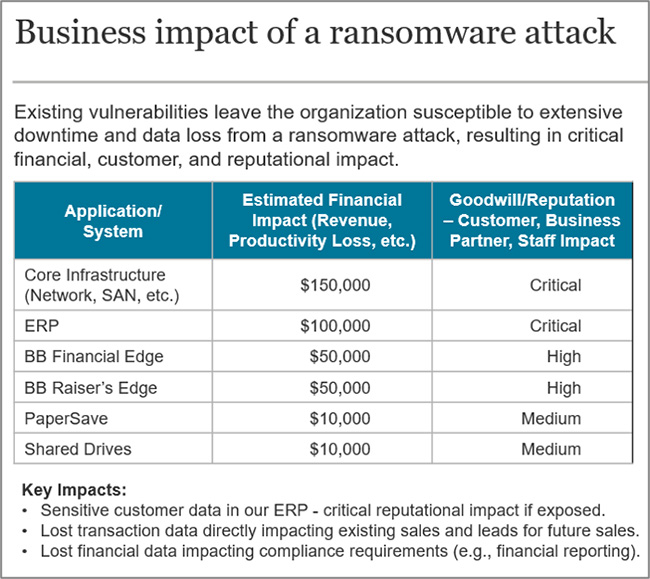
Imagine this. Your organisation clears its ISO and PCI audits. Policies are documented, controls are ticked off, and reports are filed. Then a ransomware attack slips through a forgotten API endpoint and brings operations to a halt for three days. Compliance was achieved, yet resilience failed.
This gap is no longer theoretical. In 2024, 83% of organisations experienced more than one security breach, according to the IBM Cost of a Data Breach Report. In India alone, the average breach cost has reached ₹19.5 crore per incident, turning cyber risk into a board-level business issue. The problem is not a lack of compliance. It is the assumption that compliance equals security.
Compliance-driven security focuses on meeting standards at a point in time. Resilient security focuses on how your systems behave under real attack. Frameworks like the NIST Cybersecurity Framework and practical benchmarks such as the OWASP Top 10 make this distinction clear. They emphasise continuous identification, testing, and response, not static documentation.
This is where VA&PT services, or vulnerability assessment and penetration testing, become foundational to your enterprise cybersecurity strategy. Think of VA&PT as regular health check-ups for your digital infrastructure. They uncover exploitable weaknesses, validate real-world attack paths, and guide remediation before an incident forces emergency treatment.
Compliance matters. But on its own, it is no longer enough to protect your business.
The Compliance Trap: Why Meeting Standards Alone Leaves Gaps

If your organisation is ISO 27001 or PCI-DSS compliant, are you actually secure, or just audit-ready? This question matters more than ever because a growing number of breaches happen in environments that did everything “by the book.” In fact, nearly 60% of breached companies were fully compliant at the time of the attack. The attackers did not break the rules. They exploited the gaps between them.
Compliance frameworks like ISO 27001, PCI-DSS, and HIPAA are essential. They establish a baseline for regulatory compliance, security, and governance. What they do not do is keep pace with how threats evolve day by day. Audits are conducted at fixed intervals, while attackers operate continuously, probing for weak configurations, forgotten assets, and newly exposed vulnerabilities.
Here is where the disconnect becomes clear:
|
Compliance-Focused Security |
Real-World Security |
|---|---|
|
Point-in-time audits |
Continuous security testing |
|
Control validation |
Exploit validation |
|
Policy-driven |
Risk-driven |
|
Documentation-heavy |
Action and remediation-focused |
|
Passes audits |
Resists real attacks |
Most breaches stem from misconfigurations, unpatched systems, or zero-day exploits that sit outside standard audit checklists. When those gaps are exploited, the impact is immediate. Downtime disrupts operations, customer trust erodes, and regulatory penalties follow.
This is why leading enterprises move beyond VA PT compliance testing and invest in vulnerability assessment and penetration testing as part of a broader enterprise cybersecurity strategy. When combined with secure web and application development practices from Aarav Infotech, VA&PT shifts your focus from passing audits to protecting your business in the real world.
VA&PT Explained: Turning Unknown Vulnerabilities into Controlled Risks
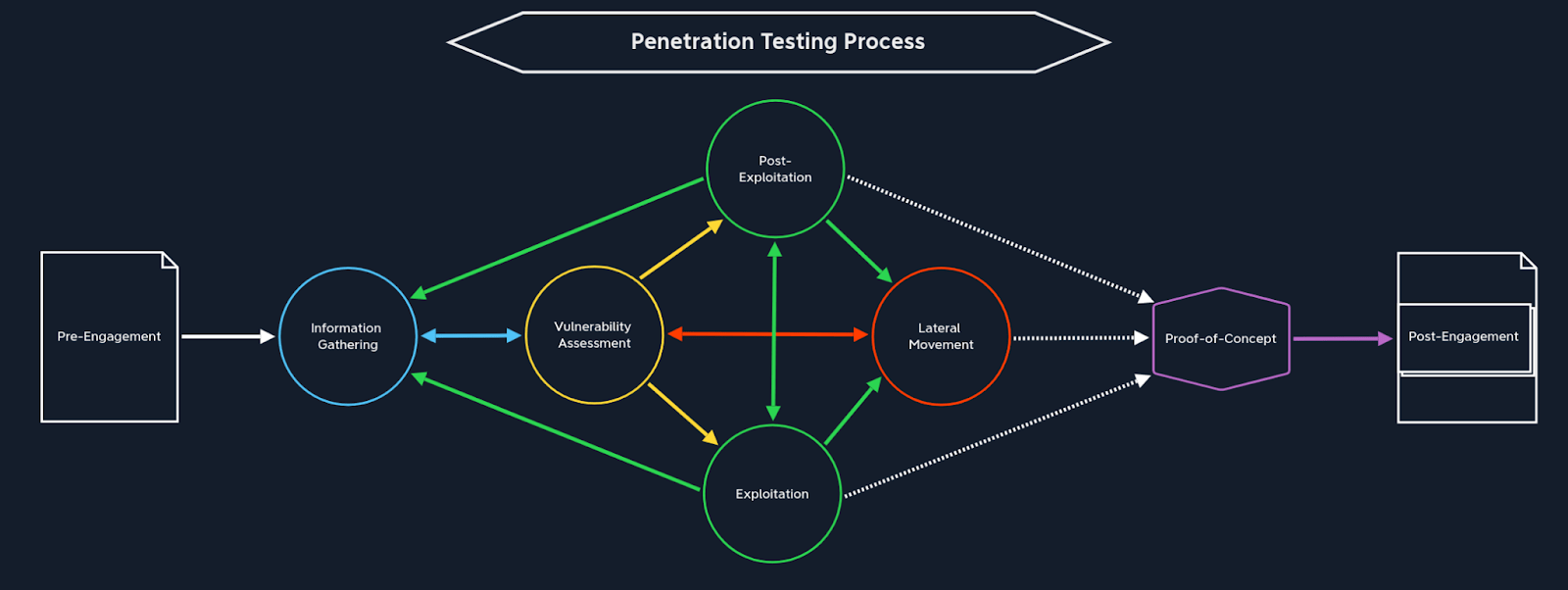
If compliance tells you what should be in place, VA&PT tells you what is actually exploitable right now. That difference is what separates reactive firefighting from true cybersecurity resilience.
At its core, vulnerability assessment and penetration testing work together, but they serve distinct purposes:
Vulnerability Assessment (VA) helps you see your environment as a defender:
-
Systematic discovery of weaknesses across networks, applications, cloud, and APIs
-
Identification of issues such as OWASP Top 10 risks, like broken authentication, insecure configurations, or sensitive data exposure
-
Risk scoring and prioritisation to support informed cyber security risk assessment
-
Ongoing visibility that feeds into vulnerability management services and compliance needs
Penetration Testing (PT) forces you to think like an attacker:
-
Manual and automated techniques that attempt to exploit identified weaknesses
-
Mapping real attack paths using frameworks like MITRE ATT&CK
-
Validation of business impact, not just technical severity
-
Clear, actionable remediation guidance rather than raw scan results
Consider a real-world scenario. A SaaS platform passes its VA PT compliance testing, yet an exposed API with weak authorisation logic goes unnoticed. An attacker chains that flaw with a misconfiguration and quietly extracts customer data. The issue was known in theory, but never tested in practice.
This is why effective VA&PT services combine advanced tools with deep human expertise. Automated scanners surface volume. Skilled testers provide context, creativity, and attacker insight. Together, they turn unknown vulnerabilities into controlled risks.
When integrated early with a secure-by-design mindset through Custom Software Development by Aarav Infotech, VA&PT becomes a proactive cyber defence capability. You are no longer reacting to incidents. You are actively reducing the chances they happen at all.
Vulnerability Assessment: Continuous Visibility into Your Risk Surface

When was the last time you had a clear, current view of your entire attack surface? A vulnerability assessment provides you with the visibility needed before weaknesses turn into incidents. It is not a one-time scan. It is a repeatable process that supports continuous security testing and smarter decision-making.
A typical assessment lifecycle follows clear, business-friendly steps. First, your environment is mapped to identify all assets that matter to your operations. Next, automated tools and manual techniques work together to uncover weaknesses that scanners alone often miss. Each finding is then evaluated using CVSS-based risk scoring, enabling you to understand what truly requires attention. Finally, you receive prioritised remediation guidance aligned with your enterprise cybersecurity strategy.
Coverage spans the systems you rely on every day:
-
Networks and internal infrastructure
-
Web applications and customer-facing platforms
-
APIs that connect partners and services
-
Cloud environments and configurations
For most organisations, running assessments quarterly or after major deployments delivers the best balance between risk reduction and cost control. Early detection matters because fixing a vulnerability before it is exploited costs significantly less than responding to a breach.
When integrated with Website Maintenance & Security Services from Aarav Infotech, vulnerability assessment becomes proactive cyber defence. You reduce blind spots, lower remediation costs, and maintain continuous confidence in your security posture.
Penetration Testing: Simulating Real Attacks Before Hackers Do

If vulnerability assessment shows you where weaknesses exist, penetration testing proves what those weaknesses can actually cost your business. It answers the question executives care about most: What happens if an attacker exploits this today?
Penetration testing simulates real attack behaviour using proven Red Team methodologies and operates across different visibility levels:
-
Black box testing mirrors an external attacker with no prior knowledge
-
Grey box testing reflects a compromised user or insider scenario
-
White box testing validates deep architectural and logic flaws with full context
Consider a common attack path. A tester gains low-level access through a misconfigured API. That access is escalated through weak role controls, leading to privilege escalation and silent data exfiltration of customer records. On paper, the vulnerability looked minor. In practice, it exposed revenue, brand trust, and regulatory standing.
This is why penetration testing services in India are increasingly used as executive-level risk validation, not just technical assurance. The outcome is not a list of flaws. It is clear proof of exploitability, mapped to business impact and remediation priority.
When combined with API Security & Application Testing from Aarav Infotech, penetration testing becomes proactive cyber defence. You validate real-world risk, strengthen your enterprise cyber security strategy, and reduce the chance that attackers discover these paths before you do.
From Defence to Resilience: How VA&PT Strengthens Business Continuity
Traditional cyber defence asks one question: Can you stop an attack? Cyber resilience asks a better question: How well does your business continue when something goes wrong? This shift matters because security is no longer just an IT concern. It directly affects revenue, customer trust, and operational uptime.
Organisations that run regular vulnerability assessment and penetration testing reduce the likelihood of successful breaches by up to 70%. The reason is simple. VA&PT does not just identify weaknesses. It connects those findings to how your teams detect, respond, and recover from incidents. Vulnerabilities are mapped directly into incident response plans, playbooks, and escalation paths. When an event occurs, there is no guesswork.
The business impact becomes measurable and board-ready:
|
VA&PT Outcome |
Business Benefit |
|---|---|
|
Prioritised exploitable risks |
Reduced attack surface and lower breach probability |
|
Tested attack paths |
Faster decision-making during incidents |
|
Clear remediation timelines |
Shorter mean time to recovery (MTTR) |
|
Continuous validation |
Stronger cybersecurity resilience over time |
These outcomes translate into tangible KPIs. Fewer hours of downtime. Faster recovery after disruption. Reduced exposure to regulatory penalties and brand damage. This is the return on investment decision-makers expect from an enterprise cybersecurity strategy.
When VA&PT is delivered as part of Managed IT & Security Services by Aarav Infotech, resilience becomes operational, not aspirational. With dedicated teams, 24/7 support, and SLA-backed continuity, you move beyond defence. You build a security posture that protects business continuity even under pressure.
Implementing VA&PT with Aarav Infotech: A Practical, Business-First Approach

How do you move from isolated security tests to a program that actually reduces risk without slowing the business down? The answer lies in a structured, collaborative VA&PT engagement designed around how your teams work, not around generic checklists. This is where Aarav Infotech’s experience makes the difference.
With 15+ years of delivering VA&PT services across BFSI, SaaS, Healthcare, and mid-market enterprises, Aarav Infotech follows a clear, outcome-driven model:
-
Discovery and Context Setting
You begin with a detailed understanding of your infrastructure, applications, and business priorities. This includes regulatory compliance security needs, threat exposure, and risk tolerance. The goal is focus, not volume. -
Targeted Testing
Vulnerability assessment and penetration testing are executed using an agile mix of tools and expert-led techniques. Testing adapts to your environment, whether it involves web platforms, custom applications, or cloud services. -
Actionable Remediation
Findings are translated into practical guidance that your IT and development teams can implement. Collaboration is key. Security recommendations align with your Web Development, Custom Software, and Cloud Services workflows to avoid friction. -
Retesting and Validation
Once fixes are applied, critical issues are retested to confirm risk reduction and support audit readiness.
This approach delivers measurable outcomes. In a recent engagement, Aarav Infotech helped a FinTech client reduce critical vulnerabilities by over 65% within 90 days, while supporting successful ISO 27001 and PCI-DSS audits.
The result is not just compliance. It is a sustainable, business-first cyber security risk assessment and resilience program that grows with you.